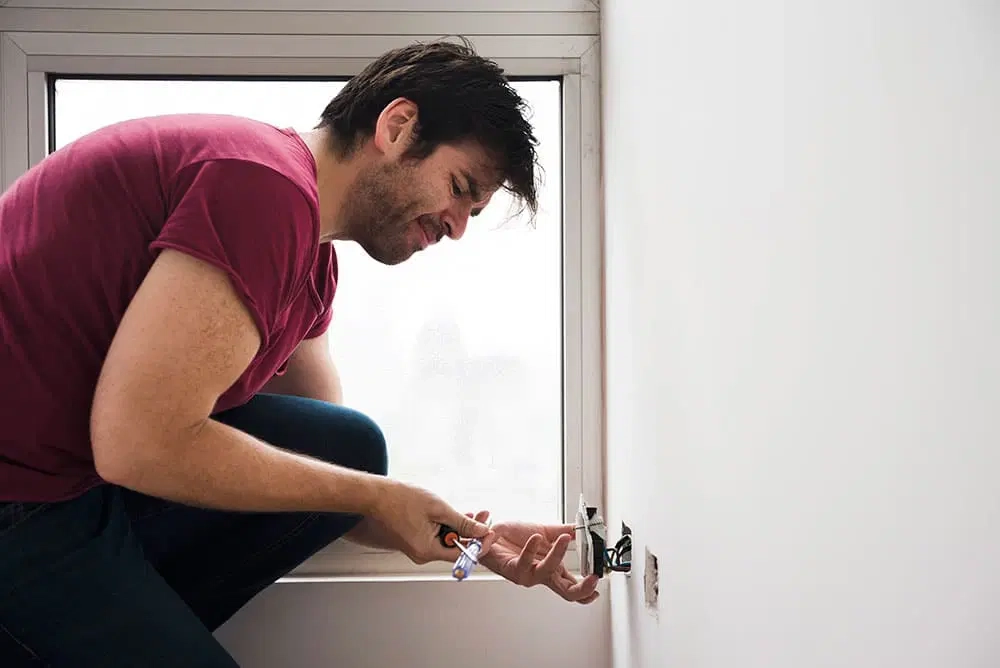

Understanding how to maintain electrical systems in homes is critical for ensuring safety and enhancing aesthetic value. Regular inspections and prompt repairs mitigate risks such as electrical shocks and fire hazards. Additionally, thoughtful electrical design can elevate the visual appeal of a space, making lighting a focal point. By maintaining a well-functioning system, homeowners can prevent potential hazards while optimizing efficiency. Recognizing the interplay between safety and design invites homeowners to reconsider their electrical choices. What specific strategies can be employed to achieve both safety and artistic integrity?
Key Takeaways
- Regular inspections and maintenance of electrical systems prevent hazards and enhance safety, protecting both residents and property.
- Upgrading outdated fixtures and wiring improves visual harmony, contributing to a more aesthetically pleasing environment.
- Strategic lighting design highlights architectural features, creating mood and enhancing the overall artistic appeal of living spaces.
- Using smart technology for lighting control not only improves functionality but also adds a modern touch to home decor.
- Keeping electrical systems organized and clutter-free maintains the integrity of design, ensuring spaces feel welcoming and well-maintained.
The Importance of Electrical System Maintenance for Home Safety
What measures can homeowners take to guarantee their electrical systems remain safe and efficient? Regular inspections by licensed professionals play an important role in identifying potential hazards such as frayed wiring or outdated circuit breakers. Homeowners should also verify that their electrical panels are up to code and capable of handling the load of modern appliances. Installing Ground Fault Circuit Interrupters (GFCIs) in moisture-prone areas greatly reduces the risk of electrical shock. In addition, maintaining an organized and clutter-free environment around electrical outlets and panels is essential for preventing accidents. Homeowners are encouraged to stay informed about electrical safety guidelines and actively participate in their home maintenance. These proactive measures not only enhance safety but also foster a sense of community and belonging among neighbors.
How to Maintain Electrical Systems in Homes: Essential Tips
Regular maintenance of electrical systems in homes is essential for ensuring both safety and functionality. Homeowners should begin by conducting routine inspections of wiring, outlets, and circuit breakers. Signs of wear, such as frayed wires or discolored outlets, must be addressed immediately to prevent hazards. Additionally, testing ground fault circuit interrupters (GFCIs) monthly is vital for preventing electrical shock. It is also advisable to keep a log of any repairs and upgrades, which aids in tracking system performance over time. Homeowners should engage qualified electricians for complex issues, ensuring compliance with local codes. By adopting these practices, individuals foster a secure environment that reinforces their commitment to safety and responsibility within their community.

Enhancing Artistic Appeal Through Thoughtful Electrical Design
A well-maintained electrical system not only enhances safety but also serves as a canvas for artistic expression in home design. Thoughtful electrical design can transform lighting into a pivotal element of aesthetics, emphasizing architectural features and creating mood. Strategically placed fixtures, such as recessed lighting or accent lamps, can highlight textures and colors, enhancing the overall visual appeal. In addition, integrating smart technology allows homeowners to control ambiance effortlessly, tailoring environments to personal tastes. The choice of materials for outlets and switches also contributes to the design narrative; sleek, modern finishes can elevate a room’s sophistication. Ultimately, enhancing artistic appeal through electrical design fosters a sense of belonging, transforming spaces into reflections of individual identity while prioritizing functionality and safety.
Common Electrical Issues and Their Impact on Home Aesthetics
Although often overlooked, common electrical issues can considerably detract from a home’s overall aesthetic appeal. Outdated or improperly installed fixtures not only disrupt visual harmony but also create safety hazards. Flickering lights may indicate wiring problems, leading to an uninviting atmosphere. Additionally, unsightly extension cords, often used as temporary fixes, clutter spaces, undermining a home’s design integrity. Exposed wiring or damaged outlets can evoke feelings of neglect, diminishing the perceived value of the property. Furthermore, inadequate lighting can obscure architectural details, leaving the home feeling less welcoming. Consequently, addressing these common electrical issues is essential. Homeowners must understand how to maintain electrical systems in homes, ensuring that functionality complements aesthetic aspirations, fostering a sense of pride and belonging in their living spaces.
Professional Help: When to Call an Electrician for Maintenance
When homeowners encounter persistent electrical problems that exceed basic troubleshooting, seeking professional help becomes imperative. Indicators such as frequent circuit breaker trips, flickering lights, or burning odors signal underlying issues that demand expert intervention. Additionally, any attempts to modify or expand the electrical system should involve a licensed electrician to guarantee compliance with safety standards and local codes. Ignoring these warning signs can lead to hazardous conditions, compromising both safety and aesthetic integrity within the home. Regular evaluations by an electrician can enhance the overall performance of the electrical system, ultimately contributing to a harmonious living environment. Understanding when to call an electrician is essential for maintaining electrical systems in homes, guaranteeing both safety and artistic appeal are preserved.
Frequently Asked Questions
How Often Should I Inspect My Home’s Electrical System?
Inspecting a home’s electrical system should occur annually, with additional checks after significant renovations or extreme weather events. Regular inspections guarantee functionality and safety, ultimately fostering a secure environment for residents and enhancing overall property value.
What Are the Signs of Outdated Electrical Systems?
Signs of outdated electrical systems include frequent circuit breaker tripping, flickering lights, discolored outlets, and the presence of two-pronged plugs. Recognizing these indicators is essential for maintaining electrical systems in homes and ensuring safety.
Can I Upgrade My Electrical System Myself?
Upgrading an electrical system independently is generally discouraged due to safety risks and code compliance requirements. It is advisable for homeowners to consult licensed professionals to guarantee proper installation and adherence to local regulations.
How Does Poor Wiring Affect My Home’s Value?
Poor wiring considerably decreases a home’s value, creating safety hazards and increasing repair costs. Buyers often avoid properties with electrical issues, leading to lower market appeal and diminished investment returns for homeowners prioritizing electrical upkeep.
What Safety Gear Is Needed for Electrical Maintenance?
To guarantee safety during electrical maintenance, individuals require insulated gloves, safety goggles, hard hats, and non-conductive tools. These essential items protect against electrical shocks and injuries, facilitating a secure and effective working environment.
Conclusion
In summary, maintaining a home’s electrical system is essential for ensuring safety while simultaneously enhancing its artistic appeal. Regular inspections and prompt repairs effectively mitigate hazards, such as electrical shocks and fire risks. Additionally, thoughtful electrical design can elevate the aesthetic quality of a space by accentuating architectural features and minimizing clutter. Homeowners are encouraged to adopt best practices in maintenance and seek professional assistance when necessary, thereby fostering a secure and visually pleasing living environment.
You May Also Like To Read: