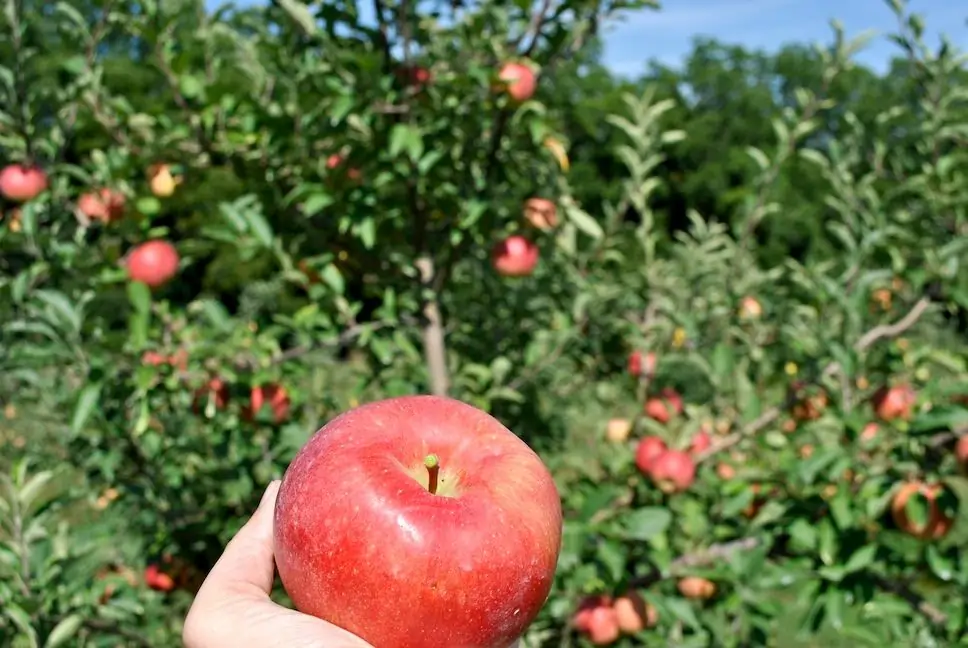
Apple trees serve as a compelling addition to any garden, merging aesthetic beauty with practical benefits. Their elegant structure and seasonal blooms create visual interest, while summer foliage offers shade and tranquility. Additionally, self-pollinating varieties guarantee reliable fruit production, contributing to local biodiversity and food security.
Understanding these attributes reveals more than just their charm; it opens a discussion about their broader impact on gardening and sustainability. What implications do these factors hold for gardeners today?
Key Takeaways
- Self-pollinating apple trees offer graceful forms and seasonal changes, enhancing the visual appeal of any garden landscape.
- Their delicate spring blossoms and lush summer foliage create a vibrant aesthetic throughout the year.
- The colorful autumn fruit adds variety and interest, contributing to the garden’s overall beauty.
- Continuous fruit yield ensures a reliable source of produce, enhancing food security and sustainability.
- Easy cultivation and low maintenance make them ideal for novice gardeners, fostering long-term gardening success.
The Visual Appeal of Self-Pollinating Apple Trees in Your Garden
When considering the aesthetic impact of self-pollinating apple trees in garden landscapes, one finds that their graceful form and seasonal changes considerably enhance visual interest. These trees offer a harmonious blend of structure and softness, thanks to their delicate blossoms in spring, lush foliage in summer, and vibrant fruit in autumn. The architecture of self-pollinating apple trees contributes to varied garden designs, from formal arrangements to more casual settings.
Their ability to thrive independently allows for strategic placement, ensuring beauty in small spaces or larger expanses. Additionally, the shift of colors and forms throughout the seasons invites a dynamic visual experience, creating a focal point that resonates with gardeners and visitors alike, fostering a sense of belonging in natural spaces.
Discover the Benefits of Self-Pollinating Apple Trees
Self-pollinating apple trees not only enhance the visual appeal of gardens but also offer a multitude of practical benefits to gardeners and homeowners. These trees require no additional pollinators, making them ideal for smaller spaces or urban gardens where attracting bees may be challenging. They produce fruit consistently, ensuring a reliable harvest each year, which contributes to both food security and sustainability.
Additionally, self-pollinating varieties often exhibit greater resilience against varying weather conditions, reducing the risk of crop failure. Their ease of cultivation appeals to novice gardeners, fostering a sense of accomplishment. Ultimately, self-pollinating apple trees provide both aesthetic beauty and functional rewards, enriching the gardening experience and solidifying their value in any landscape design.
How Self-Pollinating Apple Trees Attract Wildlife
While many gardeners focus on the aesthetic and practical benefits of fruit production, self-pollinating apple trees also play a significant role in attracting wildlife to gardens. These trees provide essential resources for various species, including bees, butterflies, and birds. The blossoms, rich in nectar, serve as a crucial food source for pollinators, fostering biodiversity. Additionally, the fruit produced not only nourishes local wildlife but also enhances the garden’s ecological balance.
The presence of these trees can attract beneficial insects, which aid in pest control. By incorporating self-pollinating apple trees, gardeners create a vibrant ecosystem that supports wildlife, thereby enriching their outdoor spaces and fostering a sense of community with nature. This symbiotic relationship enhances the overall garden experience.
Long-Term Value of Self-Pollinating Apple Trees
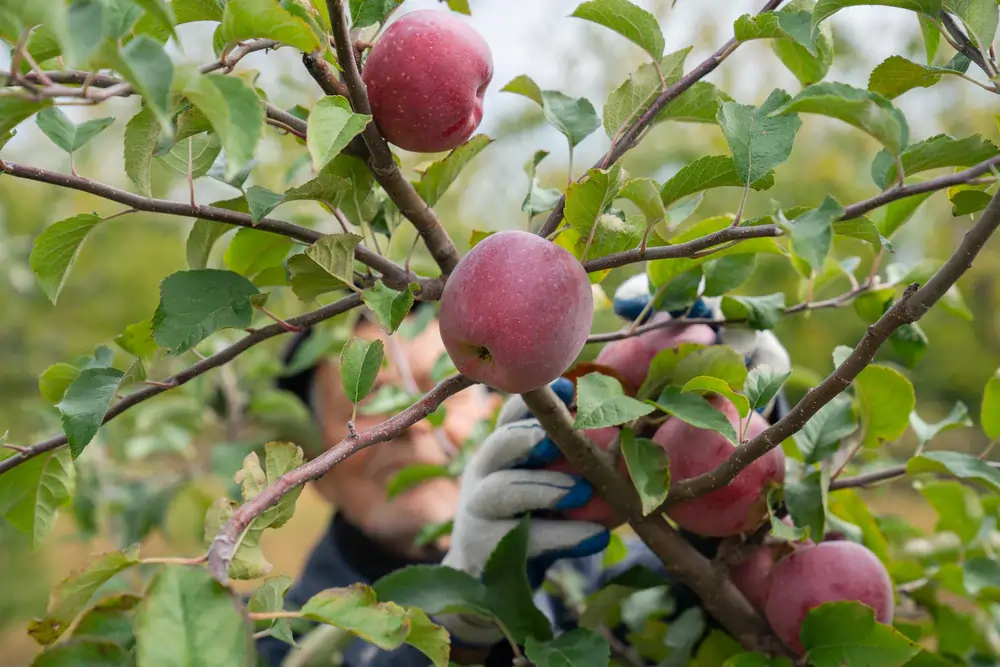
Investing in self-pollinating apple trees offers gardeners substantial long-term value, as these trees not only produce fruit but also contribute to the overall sustainability of the garden ecosystem. Their ability to thrive without the need for cross-pollination simplifies gardening efforts, making them suitable for smaller spaces or novice gardeners. Over time, these trees can enhance the property’s aesthetic appeal, with blossoms that attract attention in spring and vibrant foliage in autumn.
Additionally, self-pollinating apple trees can lead to a continuous yield of fruit, providing a reliable source of fresh produce. This ongoing contribution to local biodiversity and food security underscores their long-term value, fostering a sense of community connection among gardeners committed to sustainable practices.
How to Plant and Care for Self-Pollinating Apple Trees
Successfully planting and caring for self-pollinating apple trees requires attention to specific environmental conditions and maintenance practices. First, select a site with well-draining soil and full sun exposure, as these factors notably enhance growth and fruit production. When planting, dig a hole twice the width of the root ball and make certain the graft union is above soil level.
Regular watering, especially during dry spells, is essential for establishing roots. Fertilization should be conducted in early spring, using a balanced fertilizer to promote healthy growth. Pruning in late winter helps maintain shape and remove any dead or diseased wood. Finally, monitoring for pests and diseases guarantees the longevity and productivity of self-pollinating apple trees, enriching both garden aesthetics and long-term value.
Frequently Asked Questions
What Varieties of Self-Pollinating Apple Trees Are Available?
Several varieties of self-pollinating apple trees are available, including the Fuji, Gala, and Granny Smith. These types thrive in various climates, offering gardeners both flavorful fruit and aesthetic appeal throughout the seasons.
How Do Self-Pollinating Apple Trees Differ From Regular Apple Trees?
Self-pollinating apple trees differ from regular apple trees by requiring only one tree to produce fruit, whereas standard varieties need cross-pollination with another tree. This trait simplifies cultivation and enhances fruit yield in smaller spaces.
Can Self-Pollinating Apple Trees Produce Fruit Without Cross-Pollination?
Self-pollinating apple trees can indeed produce fruit without cross-pollination. They possess both male and female reproductive structures, allowing them to fertilize their own flowers, resulting in successful fruit set even in isolation from other trees.
What Diseases Affect Self-Pollinating Apple Trees?
Self-pollinating apple trees may face various diseases, including apple scab, fire blight, and powdery mildew. These conditions can considerably impact tree health and fruit production, necessitating vigilant monitoring and appropriate management strategies for gardeners.
When Is the Best Time to Prune Self-Pollinating Apple Trees?
The ideal time to prune self-pollinating apple trees is during late winter to early spring, just before bud break. This timing promotes healthy growth, enhances fruit production, and minimizes potential damage from frost.
Conclusion
To sum up, self-pollinating apple trees offer a multifaceted advantage to garden aesthetics and ecosystem health. Their seasonal beauty—from spring blossoms to autumn fruit—enhances visual appeal while providing essential habitat for local wildlife. Additionally, these trees contribute to food security and biodiversity, making them a sustainable choice for both novice and experienced gardeners. With their ease of cultivation, self-pollinating apple trees serve as a valuable investment for long-term enjoyment and ecological balance within the community.
You May Also Like To Read: